Overview of the Brownie Outdoor Art Creator Badge
The Brownie Outdoor Art Creator Badge encourages creative expression in nature. Requirements include planning an art project, gathering safe materials, documenting the process, and sharing a finished piece. A PDF guide details steps, supplies, and reflection prompts.It encourages reflection on nature’s beauty.
Badge Purpose and Eligibility
The Brownie Outdoor Art Creator Badge is designed to inspire young girls to explore the outdoors while expressing themselves through creative projects that celebrate nature’s beauty. The badge encourages participants to plan, create, and reflect on an art piece that incorporates natural materials or outdoor settings, fostering both artistic skill and environmental awareness. Eligibility for the badge is limited to Girl Scouts who are currently in the Brownie age group, typically 7 to 9 years old, and who have completed the foundational Brownie requirements. To qualify, a Brownie must follow the step‑by‑step instructions outlined in the official PDF guide, which includes planning a project, gathering safe and sustainable materials, creating the artwork, and documenting the entire process with photos, sketches, or written reflections. The badge also requires the Brownie to share her finished piece with her troop, explaining the inspiration behind it and the materials used. This sharing component helps reinforce communication skills and community engagement. The PDF guide provides a clear checklist of all required tasks, ensuring that each Brownie can track her progress and meet the standards set by the Girl Scout organization. By completing the badge, girls not only gain a new skill set but also develop a deeper appreciation for the environment and learn how to incorporate art into everyday outdoor experiences. The badge is a valuable addition to a Brownie’s growing list of achievements, demonstrating creativity, responsibility, and a love for nature. It encourages lifelong learning today
Core Competencies Demonstrated
Brownie Outdoor Art Creator Badge showcases core competencies that blend artistic skill, environmental stewardship, and collaborative learning. First, creative problem‑solving is highlighted as girls design a project that uses natural materials, encouraging them to think critically about texture, color, and composition while respecting the ecosystem. Second, resource management is demonstrated through careful selection and reuse of items found outdoors, teaching sustainability and mindful consumption. Third, communication skills are cultivated as participants document their process, share reflections, and present finished artwork to peers, reinforcing public speaking and storytelling. Fourth, teamwork and leadership emerge when Brownies collaborate on group projects or mentor younger scouts, fostering community and shared responsibility. Fifth, scientific observation is integrated as scouts record environmental details—such as plant species, weather conditions, and ecological interactions—linking art to real‑world data. Finally, self‑reflection and goal setting are embedded in the badge’s documentation requirements, prompting girls to evaluate their creative choices, set future artistic objectives, and celebrate personal growth. Together, these competencies align with the Girl Scouts’ broader mission of empowering young girls to become confident, curious, and compassionate citizens. The badge also emphasizes observation skills by encouraging scouts to identify and catalog local flora and fauna, fostering a deeper connection to the environment. Additionally, the project requires the use of sustainable materials, reinforcing the importance of reducing waste and protecting natural habitats. Through reflective journaling, girls articulate their creative process and environmental learning, developing critical thinking and communication abilities. By sharing their artwork and insights with the troop, they practice public speaking and teamwork, strengthening community bonds and confidence. This holistic experience nurtures lifelong creativity and stewardship!!!.
Documentation Requirements
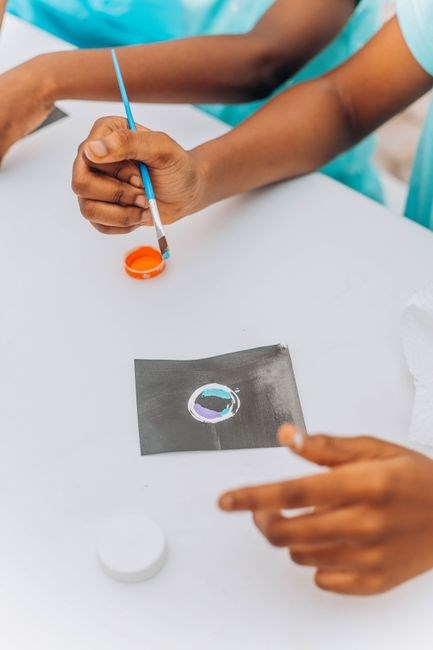
The Brownie Outdoor Art Creator Badge requires a comprehensive record of the creative journey. Each scout must submit a Project Plan outlining objectives, chosen materials, and a timeline. A Materials Log lists all natural and reusable items collected, noting source locations and sustainability practices. During the activity, scouts keep a Field Journal with sketches, observations, and reflections on how the environment influenced their design. Upon completion, a Final Artwork Description explains the concept, techniques used, and any challenges overcome. Additionally, a Reflection Essay links the project to broader environmental stewardship themes, encouraging critical thinking about conservation. All documentation must be submitted in the official PDF format provided by the Girl Scouts, ensuring consistency and ease of review. The PDF includes pre‑filled sections for each component, with space for photos, diagrams, and written responses. Scouts should upload the completed PDF to the troop’s online portal, where leaders can provide feedback and verify that all requirements are met before awarding the badge.
The badge also encourages reflection on how art can inspire environmental action. Scouts record their learning in a journal, noting how each step connects to conservation goals. Leaders review the PDF, ensuring all sections are complete, and provide constructive feedback. Once verified, the badge is awarded, celebrating creativity and stewardship. Artistic and ecological awareness grows each project.
Badge Requirements PDF Overview
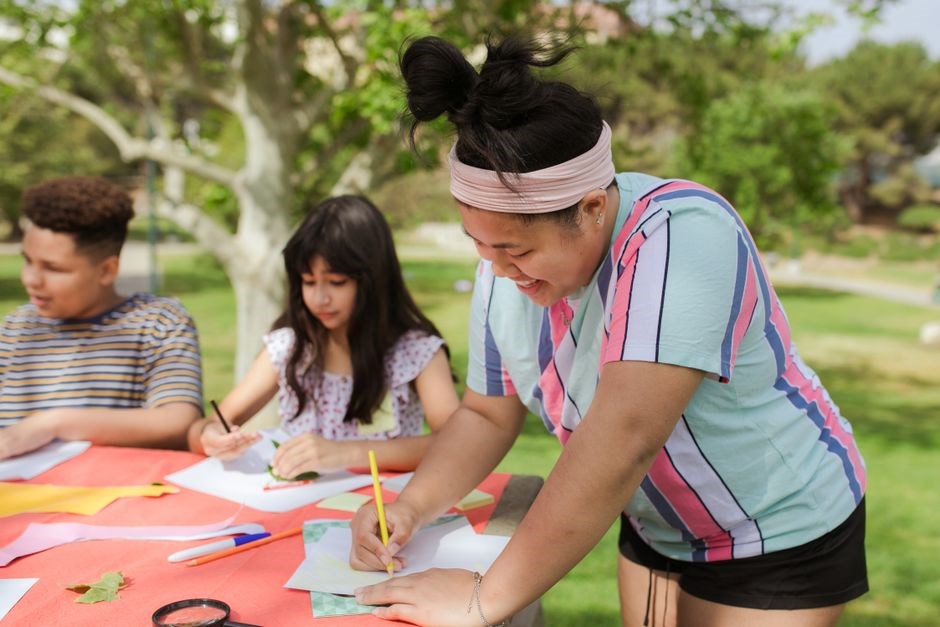
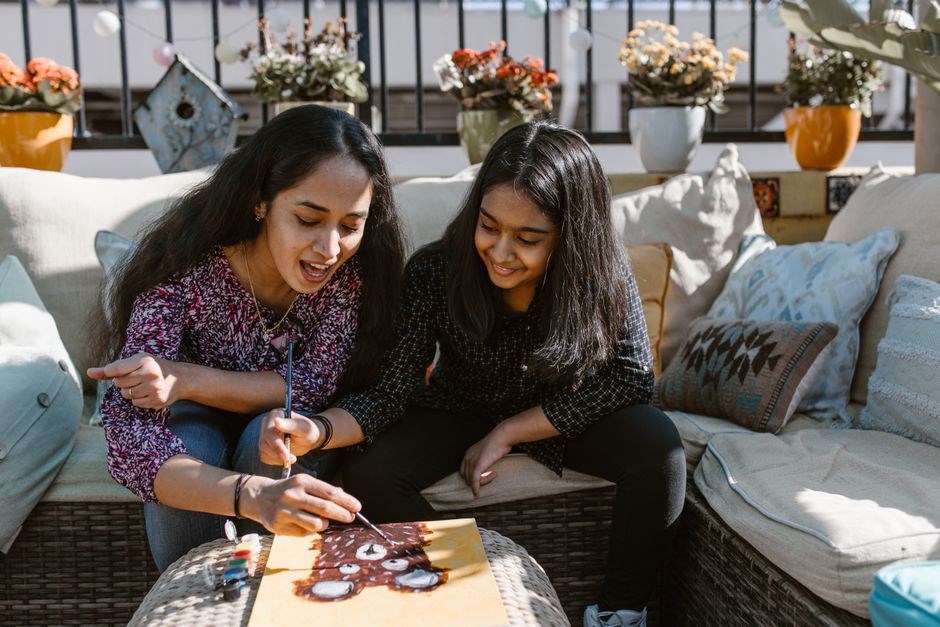
The official Brownie Outdoor Art Creator Badge Requirements PDF serves as the central reference for scouts and leaders alike. It is organized into five distinct sections that mirror the badge’s core activities: Project Planning, Materials & Safety, Artistic Creation, Documentation, and Reflection. Each section contains clear, step‑by‑step instructions, sample checklists, and illustrative photos to guide the scout through conception to completion. The PDF is formatted for easy printing and digital use, with editable fields for names, dates, and descriptive entries. Leaders can download the file from the Girl Scouts website, print multiple copies, or distribute a digital link to the troop’s online portal. The document also includes a “Submission Checklist” that confirms all required elements are present before the badge is awarded. This ensures consistency across troops and simplifies the evaluation process. The PDF is updated annually to reflect new environmental guidelines and creative trends, so scouts should verify they have the most recent version. By following the PDF’s structured layout, scouts demonstrate organization, responsibility, and a commitment to both artistic expression and outdoor stewardship. The final submission must be a single PDF file that incorporates all completed sections, photos, and signatures, ready for review by the troop leader. Once approved, the badge is awarded, marking the scout’s achievement in outdoor art creation andshare with friends.
The PDF also offers optional templates for creative brainstorming, a safety checklist for outdoor work, and a section for peer feedback, ensuring a holistic learning experience for all ages!!!
This PDF also encourages scouts to collaborate, share ideas, and celebrate their artistic, reinforcing community bonds andlifelong learning.!
Step-by-Step Activity Plan
The plan outlines five phases: 1) Planning the outdoor art project, 2) Gathering materials and safety prep, 3) Executing the art, 4) Documenting the process, and 5) Submitting the completed badge PDF. Each step follows the PDF checklist. The PDF includes safety guidelines log!.
Step 1: Planning Your Outdoor Art Project
Begin by selecting a natural setting that inspires you— a meadow, riverbank, or forest clearing. Use the Brownie Outdoor Art Creator Badge PDF as a checklist to ensure every requirement is met. Start with a brief sketch of your idea, noting the size, color palette, and any natural elements you’ll incorporate. Identify the best time of day for lighting and weather conditions, and plan to arrive early so you can observe the space and choose a spot that offers both safety and creative potential.
Next, create a materials inventory based on the PDF’s supply list. Common items include biodegradable paints, natural pigments, paper, and reusable brushes. Make sure all tools are child‑safe and that you have a first‑aid kit on hand. If you plan to use any plant material, gather it responsibly, leaving the environment unchanged and following the Leave No Trace principles highlighted in the badge guide.
Draft a timeline in the workbook section of the PDF. Allocate time for setting up equipment, creating the artwork, and cleaning up. Note any special permissions needed— for example, if you’re working in a park, check with the local authorities. Record your plan in the PDF’s “Planning Log” page, including the date, location, and a short description of your concept. This log will serve as proof of your planning phase and will be reviewed by your troop leader when you submit the badge.
Finally, discuss your plan with a troop leader or adult supervisor. They can suggest improvements, help you secure any necessary permits, and ensure you’re following safety guidelines. Once approved, you’re ready to move on to gathering materials and safety prep, the next step in the badge activity plan. Remember to keep a sketchbook handy to jot down any spontaneous ideas that arise during the planning walk. Enjoy the process!!
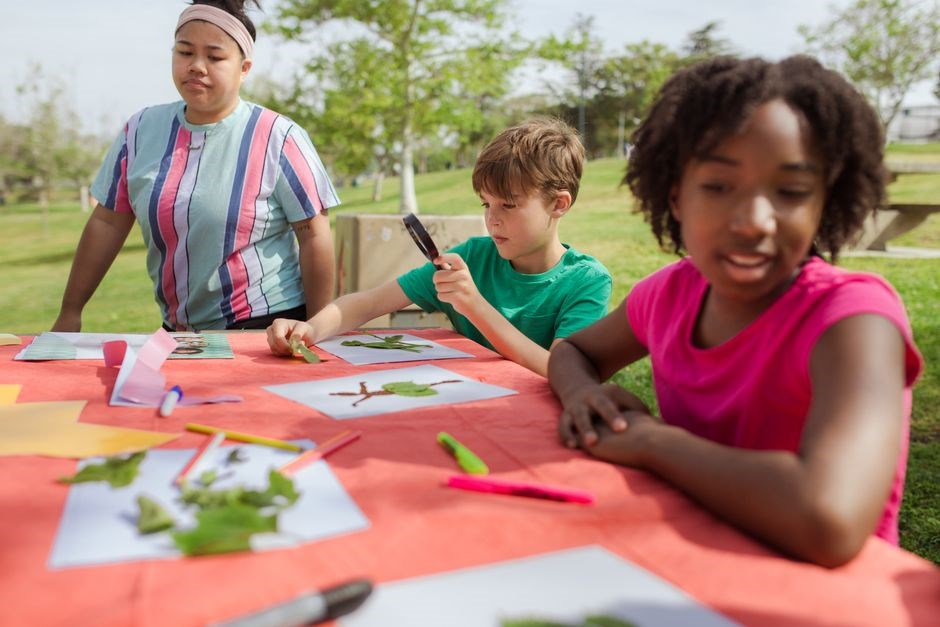
Step 2: Gathering Materials and Safety Prep
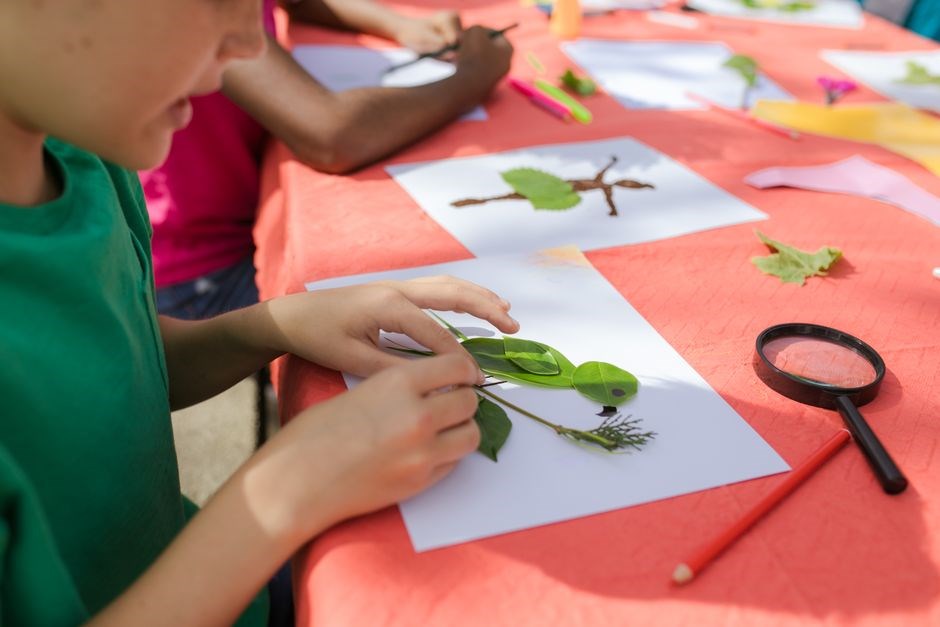
Before stepping onto the trail, consult the Brownie Outdoor Art Creator Badge PDF’s “Materials List” page. This page lists essential supplies such as biodegradable paint, natural pigments, paper, reusable brushes, and a small sketchbook. It also recommends a lightweight, water‑resistant tote to keep items dry and organized. Gather each item, checking that they are child‑safe and free of sharp edges. If you plan to use plant materials, collect only fallen leaves, bark, or twigs, and avoid disturbing living vegetation.
Safety prep begins with a thorough check of the environment. Use the PDF’s “Safety Checklist” to identify potential hazards: uneven ground, wildlife, or weather changes. Wear sturdy shoes, a hat, and sunscreen. Pack a first‑aid kit, a whistle, and a small flashlight or headlamp in case the project extends into dusk. Keep a fully charged phone and a map of the area. If you’re in a park, verify that you have permission to use the space and that you’re following any park rules regarding art or litter.
Next, set up a clean workspace. Lay down a tarp or a clean sheet of paper to protect the ground from paint or debris. Arrange your materials within easy reach, labeling each item with a waterproof marker as suggested in the PDF’s “Workspace Setup” section. This organization helps prevent loss and keeps the area tidy. If you’re working with natural pigments, mix them on a small palette to avoid spills.
Finally, record your safety plan in the badge PDF’s “Safety Log” page. Note the date, time, location, and any weather conditions. Write a brief statement about how you will handle emergencies, such as a sudden rainstorm or a wildlife encounter. This log demonstrates your preparedness and will be reviewed by your troop leader. Once the materials are gathered and the safety plan is documented, you’re ready to begin the creative process outlined in Step 3.
Creative Project Ideas and Examples
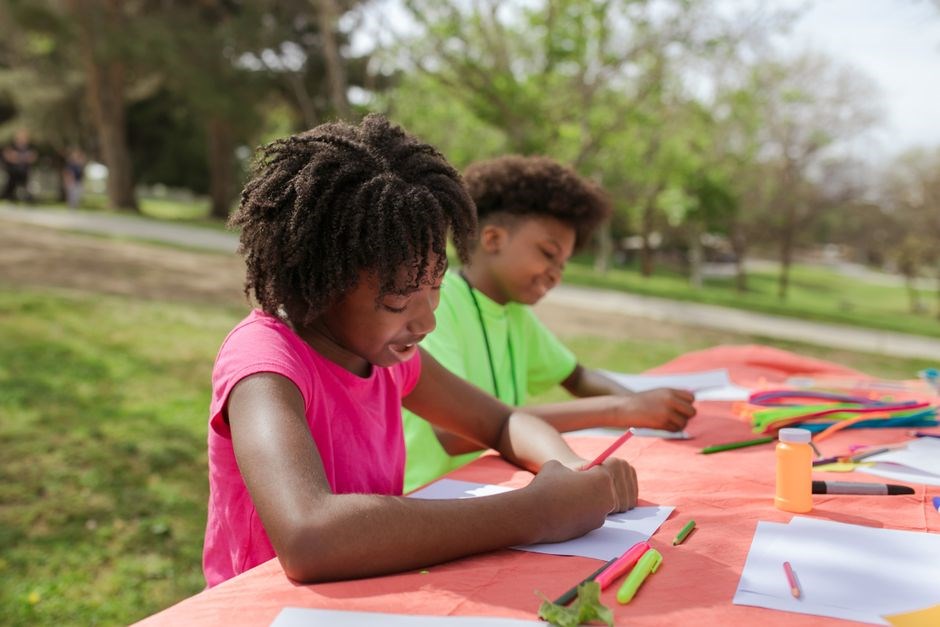
Use fallen leaves to create a leaf collage, layering colors on a canvas for a nature portrait. Record a short song about the forest, then perform it beside a stream. Paint a trail map with natural pigments, turning the path into a living artwork. Create a wind chime from twigs and shells, then hang it by a tree to hear nature’s music. Paint a sunrise scene using only natural dyes.Record the process.
Nature-Based Art Techniques
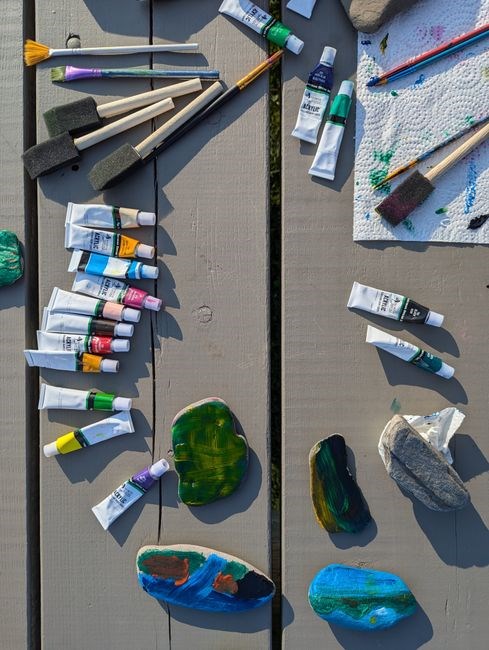
Nature-based art techniques invite Brownies to harness the elements around them. Begin by collecting leaves, bark, and flowers, then arrange them into a collage that reflects the season’s palette. Press the items between heavy books to preserve texture, and use natural dyes—such as beet juice, onion skins, or crushed berries—to color paper or canvas. The process encourages observation of color gradients and texture variations found in the wild. Another technique involves creating a “trail of footprints” art piece. Walk a short path, leaving intentional prints in soil or sand, then photograph the trail. Use the images as a storyboard for a narrative painting, illustrating the journey’s emotions. This method blends physical activity with creative storytelling, reinforcing the connection between movement and expression. Wind-driven art is also engaging. Hang lightweight, translucent fabrics or paper strips from a sturdy branch, allowing the breeze to ripple them. Capture the motion with a time-lapse video or photograph series, then edit the footage into a short animation. This project teaches about wind patterns, light diffusion, and the dynamic nature of outdoor environments. Finally, incorporate sound by crafting a “forest symphony.” Use natural objects—sticks, stones, shells—to produce percussive sounds. Record the audio and layer it with field recordings of birds or water. Mix the tracks to create a composition that reflects the sounds of the chosen habitat. Present the finished piece in a small exhibition, explaining how each element was sourced and integrated. Students can also experiment with natural pigments extracted from moss, lichens, or clay, applying them with brushes made from twigs. By layering colors, they learn about saturation and transparency. Additionally, creating a “leaf print” involves pressing a leaf onto watercolor paper, then adding ink to reveal the vein structure. This simple yet elegant technique highlights botanical artistry. Another creative avenue is to build a miniature sculpture using twigs, bark, and moss, arranging them into a small forest scene. The sculpture can be photographed from multiple angles, turning the images into a photo collage that showcases perspective. Through these varied techniques, Brownies develop observation skills, artistic confidence, and a deeper appreciation for the outdoors. They can also design a “rainbow trail” by laying colored leaves in a line and photographing the gradient under different light conditions. This exercise teaches about color theory and light interaction. Another idea is to create a “sound map” by placing small bells or chimes along a trail, then recording the sounds at each point. The resulting audio map can be played while walking the trail again, creating a multisensory experience. Finally, students may choose to document their entire creative journey in a journal, noting materials used, challenges faced, and lessons learned. This reflective practice reinforces learning and provides a tangible record of growth. By integrating these techniques, Brownies not only produce unique artworks but also cultivate environmental stewardship and lifelong artistic curiosity.
Music and Song Creation
Brownies can earn the Outdoor Art Creator Badge by writing, recording, and sharing an original song that celebrates the outdoors. The process follows the badge PDF’s “Music and Song Creation” worksheet and is broken into five clear steps.
- Field Sound Hunt: Walk a trail and capture at least three distinct natural sounds—bird calls, wind through leaves. These sounds will form the rhythmic backbone of the piece.
- Lyric Drafting: Write four to six verses that describe a favorite outdoor scene adventure you’ve experienced. Keep the language simple and rhythmic so the words can be sung easily.
- Melody & Harmony: Choose a portable instrument (ukulele, guitar, harmonica) or use body percussion. Sketch a basic chord progression and practice the melody until it feels natural. If no instrument is available, clapping or stomping can provide a steady beat.
- Recording & Editing: Record the vocal track over the instrumental or beat. Layer the field sounds recorded in step one as a subtle background. Use a free app (e.g., Audacity, GarageBand, or a phone’s voice memo) to trim silence, balance levels, and export a single MP3 file.
- Reflection & Submission: Complete the worksheet’s reflection section, answering: “How did nature inspire the lyrics, melody, or rhythm?” Attach the MP3 file and the worksheet to the badge PDF submission. The badge requires at least one original composition, a recording, and a reflection.
Optional: Record a live performance during a troop gathering, then share the video with the troop’s online gallery. This encourages peer feedback and celebrates collective creativity. By combining musical skill with environmental observation, Brownies meet the badge’s core competencies while enjoying the outdoors.
Tools and Resources for Badge Completion
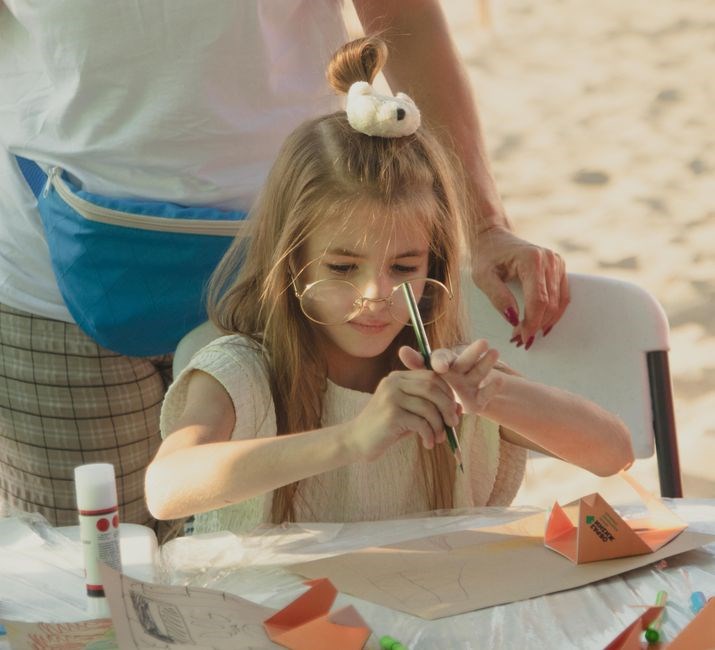
Use the Leaders Guide PDF, the Brownie Outdoor Art Creator Workbook, and the official supply list. Download the badge PDF from the Girl Scout website, check the checklist, and keep a photo log of each step. Store materials in a reusable tote.and share now soon.
Leaders Guide and Workbook
The Leaders Guide PDF, released by the Girl Scouts, serves as the cornerstone for the Brownie Outdoor Art Creator Badge. It provides a step‑by‑step framework that outlines each required activity, from initial planning through final presentation. The guide details how to select a suitable outdoor location, choose appropriate art materials that are safe and environmentally friendly, and design a project that encourages creativity while respecting nature. It includes sample lesson plans, safety checklists, and suggested discussion points that help leaders facilitate meaningful conversations about the relationship between art and the outdoors. The accompanying workbook is designed for the girls themselves; it contains spaces for sketching ideas, recording observations, and reflecting on the creative process. Each page of the workbook is organized around the five core requirements of the badge, with prompts that guide the girl through brainstorming, material selection, execution, documentation, and final showcase. Together, the Leaders Guide and Workbook provide a comprehensive, user‑friendly toolkit that ensures every Brownie can successfully complete the badge while developing artistic skills, environmental stewardship, and confidence in outdoor settings. The PDF format allows easy printing, sharing, and updating, making it an essential resource for troop leaders and girls alike. Additionally, the Leaders Guide offers optional replacement activities for those who prefer indoor projects, ensuring flexibility for varying weather conditions. The workbook also features a section for parents to sign off on safety measures, reinforcing the importance of adult supervision. By following the structured format, leaders can track progress, provide constructive feedback, and celebrate milestones along the way. The combination of clear instructions and reflective practice empowers Brownies to not only meet the badge criteria but also to cultivate a lifelong appreciation for artistic expression in natural settings. Download it from the official Girl Scout site today.
Badge Booklets and Supply Lists
Badge booklets are 12‑page pamphlets that guide Brownies through every step of the Outdoor Art Creator Badge. They summarize the badge requirements, present a sample project outline, and provide a printable supply list organized by category—art materials, safety gear, and optional extras—to help parents and leaders prepare. Each booklet includes a quick‑reference chart for the five core requirements, enabling girls to track progress at a glance. The PDF format can be printed on standard paper or laminated for durability on the trail, and digital versions are optimized for tablets and smartphones, allowing girls to view the booklet outdoors. The Girl Scouts also offer downloadable “how‑to” guides that cover techniques such as leaf rubbings, natural pigment painting, and outdoor collage, which can be used alongside the main booklet. Supply lists are updated annually to reflect new eco‑friendly materials and incorporate troop feedback. Leaders can customize the list by adding local resources, ensuring each troop’s needs are met. The combination of a clear, visually engaging booklet and a detailed supply list provides a reliable framework that supports both creative and logistical aspects of the badge. By following the booklet’s step‑by‑step instructions, Brownies can confidently complete the badge while learning about art, nature, and responsible stewardship. Leaders review booklet before project begins, setting goals!! After completion, the reflection section guides the Brownie in evaluating her experience, noting what she enjoyed, what she learned, and how she might apply these skills in future projects.
